About Anastacia
A pianist who teaches, not a teacher who once played.
Twenty-five years in music: conservatory training, a working performing life, and a studio of individual students across Europe and beyond. I teach from Kyiv, in English and Ukrainian, to pianists who have decided to take the instrument seriously.
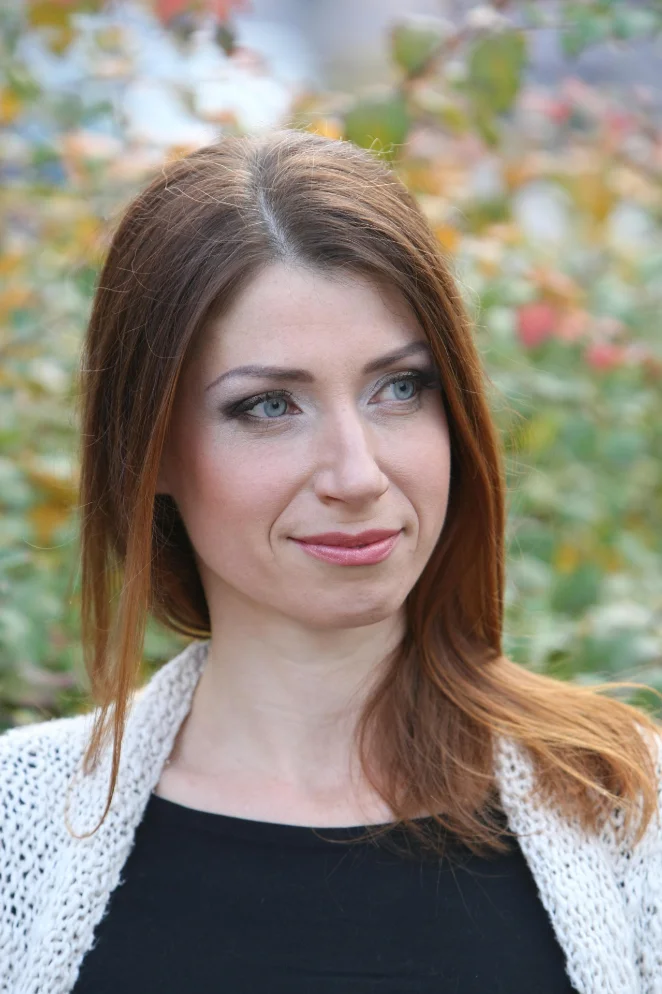
I started at the instrument as a child and never left it.
Classical training gave me the two things I now teach hardest: a technique that holds up under pressure, and the habit of asking what a score actually says before deciding how it should sound. Those years were demanding, and they were supposed to be — that is where the discipline behind the playing comes from.
Performing changed how I hear. Preparing a programme for an audience teaches you what survives nerves, what collapses, and how much of a performance is decided weeks earlier in the practice room. I bring that reading of the work straight into lessons.
Teaching became the centre of my work when I realised I was more interested in the pianist in front of me than in any single piece we were working on. I have taught in person and online, privately and in institutions, and online is now where almost all of my teaching happens — by design rather than by circumstance.
The short version.
If you are deciding whether to write, these are the facts that usually matter.
- Based in
- Kyiv, Ukraine · EET
- Teaching
- Online, worldwide
- Experience
- 25+ years in music
- Levels
- Intermediate to conservatory entrance
- Students
- Age 11 upwards, and adults
- Languages
- English · Ukrainian
- Repertoire
- Classical, Bach through the twentieth century
- Specialisms
- Technique, sound, interpretation, practice method
How I teach
Demanding about the detail, patient with the person.
Those are not in conflict. Precision is what makes playing free: once the hand, the ear and the practice method are reliable, there is room to make musical decisions instead of fighting the instrument. I will tell you plainly what is not working — and I will take as long as it needs to fix it properly.
- Healthy, natural technique
- Tone and listening
- Movement and posture
- Interpretation
- Practice methodology
- Artistic independence
Who I say yes to.
I work with pianists who practise between lessons and want to understand what they are doing, not only be told. That is the whole requirement — it has nothing to do with talent and everything to do with intent.
I do not teach beginners, and I am not the right teacher if you want to get through the next exam with the least possible work. If I am not right for you, I will say so in the trial lesson and, where I can, point you towards what to look for instead.
The rest is easier to hear than to read.
Thirty minutes at the piano together, at no cost. You will know more about whether we suit each other after one lesson than after any page about me.